VR Aircraft by HawkVisum
A downloadable game
Overview
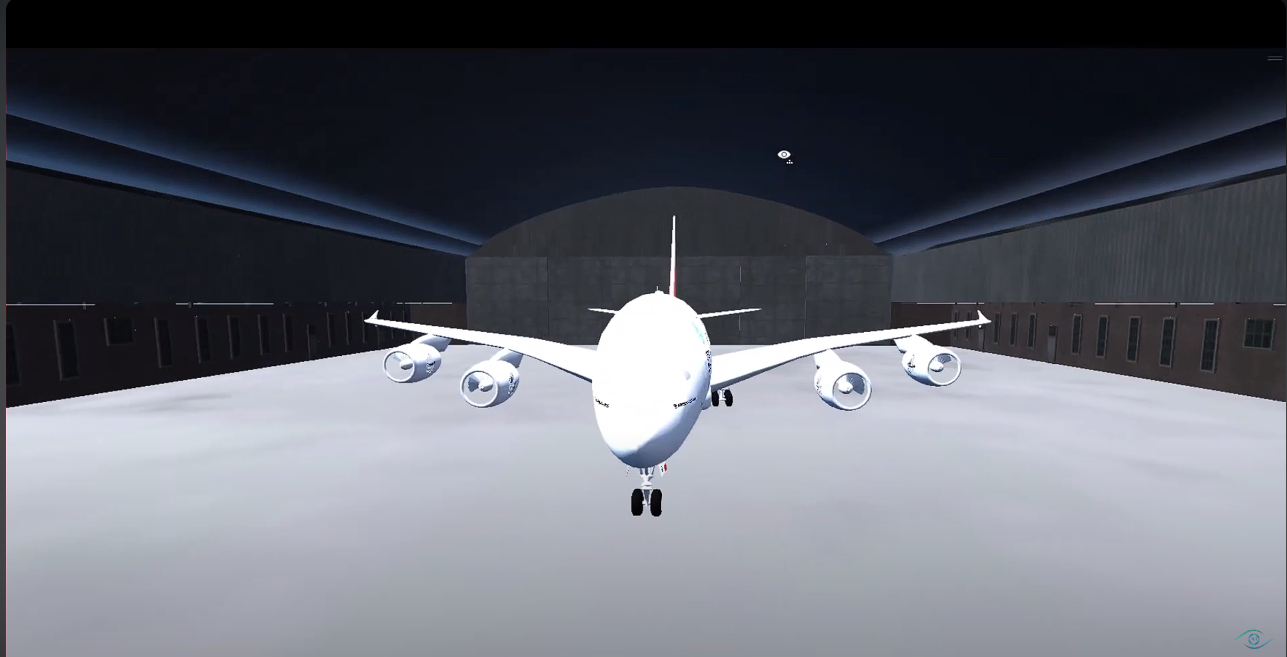
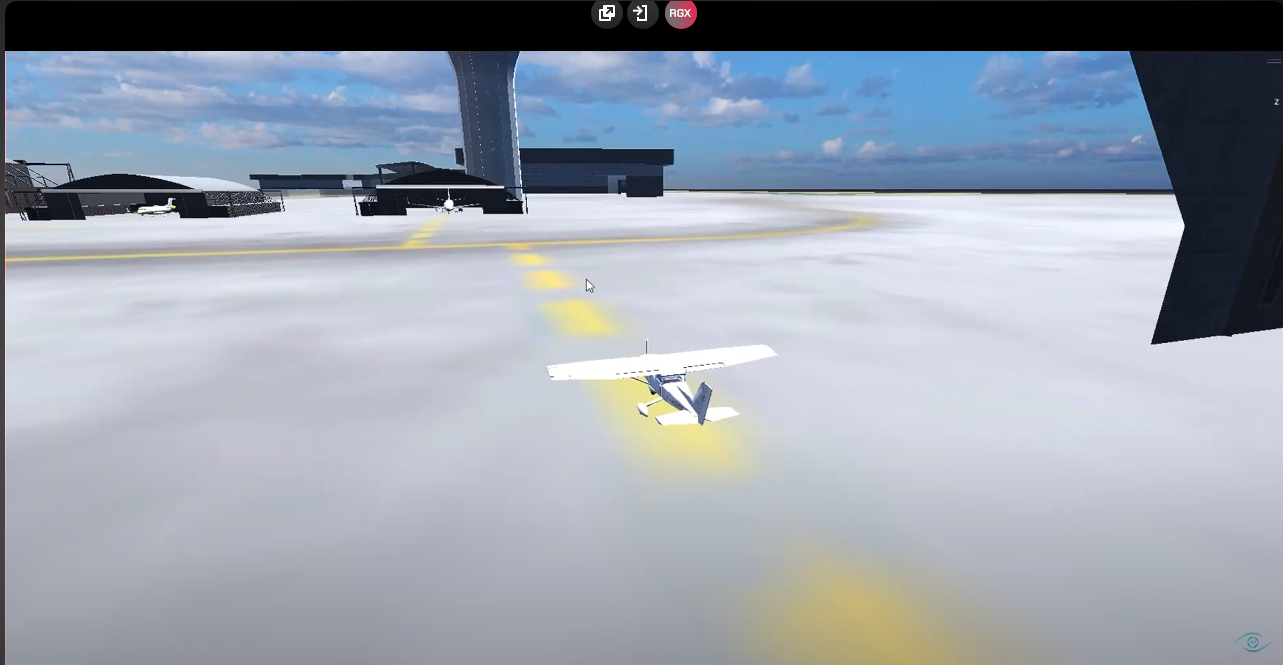
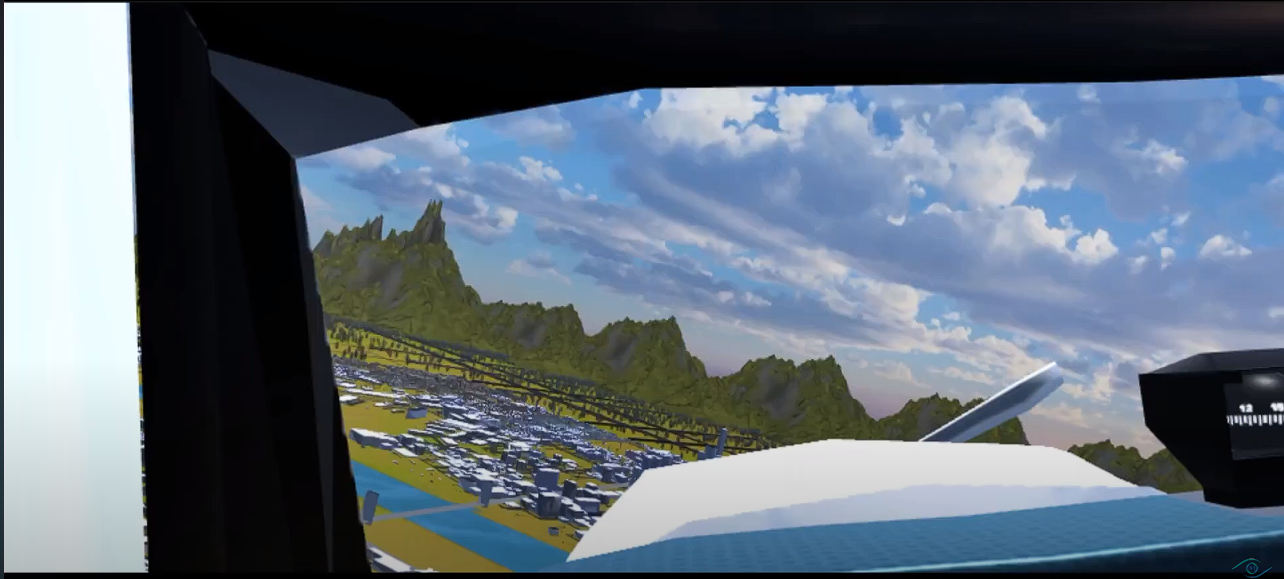
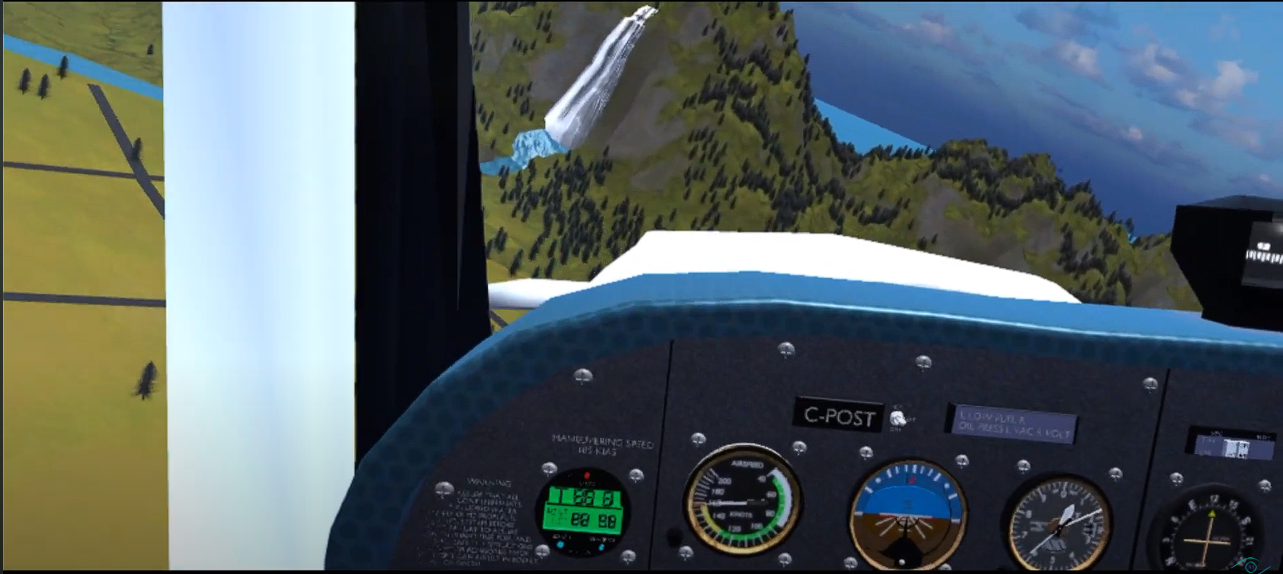
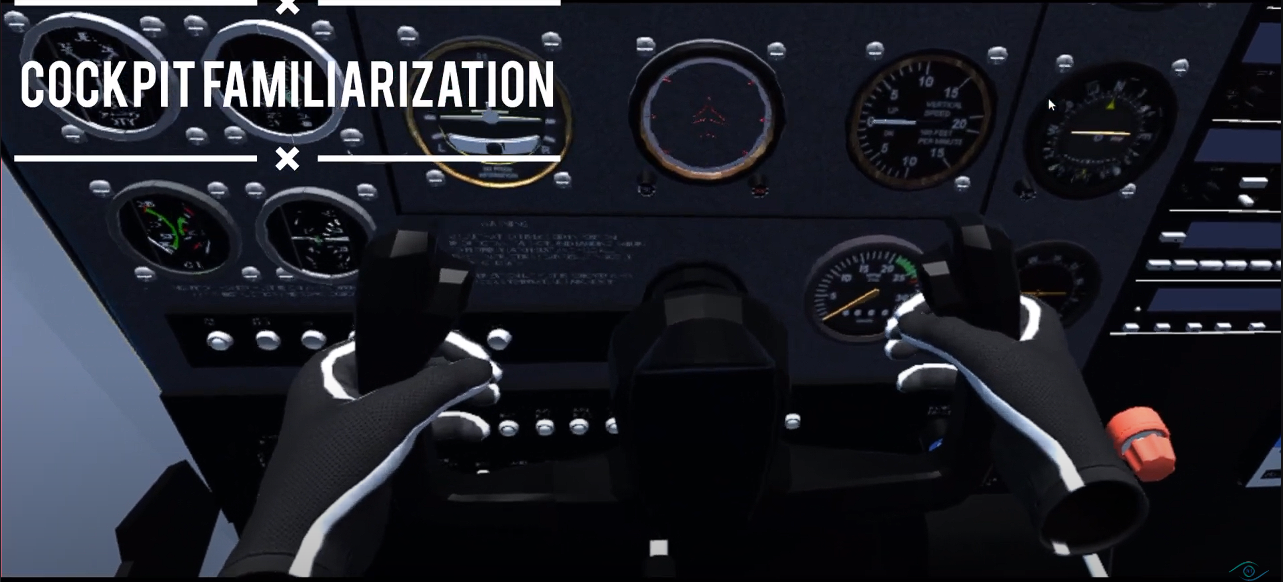
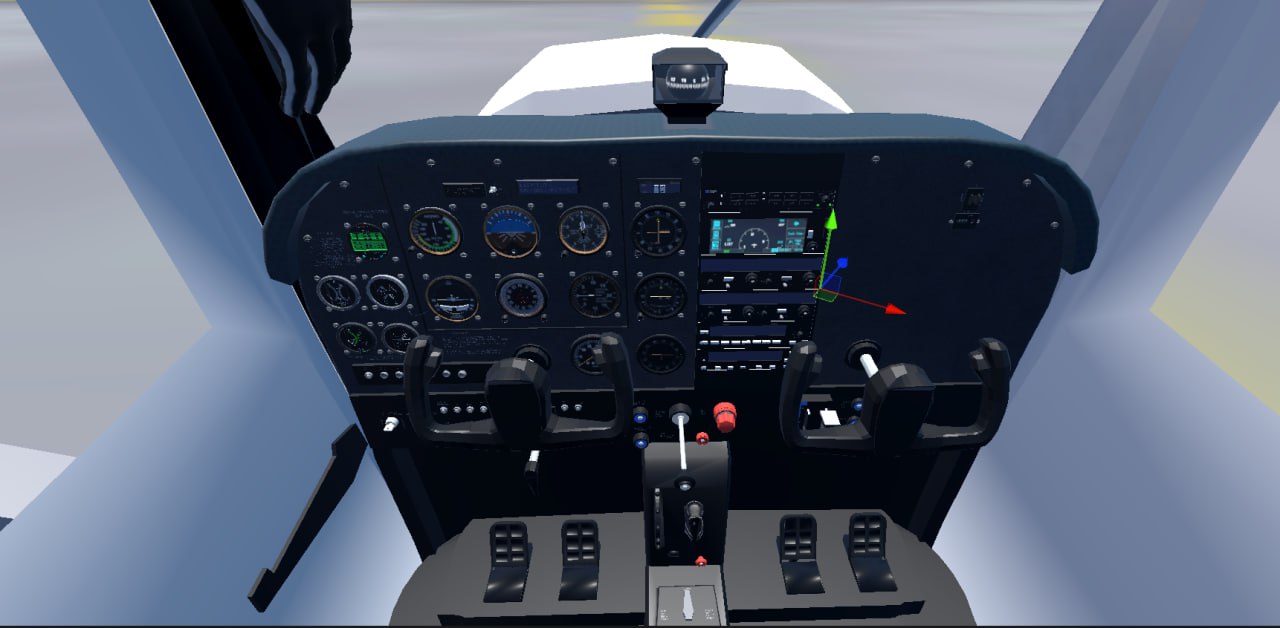
A VR-based cockpit and flight simulator built in Unity (C#) using the UltimateXR framework, designed to allow pilots to pre-train in a safe, controlled environment before real-world flight sessions.
Unlike a traditional game, this project focused on simulation accuracy, usability, and training workflow integration.
My Role
VR Systems & Aircraft Physics Developer
I was responsible for the aircraft simulation systems, VR interaction mechanics, and cockpit UI functionality.
Key Contributions
VR Foundation & Interaction Systems
-
Learned and implemented VR systems using Unity XR and UltimateXR
-
Designed contextual hand interactions:
-
Pointer gestures near switches
-
Grab interactions near doors and controls
and more
-
-
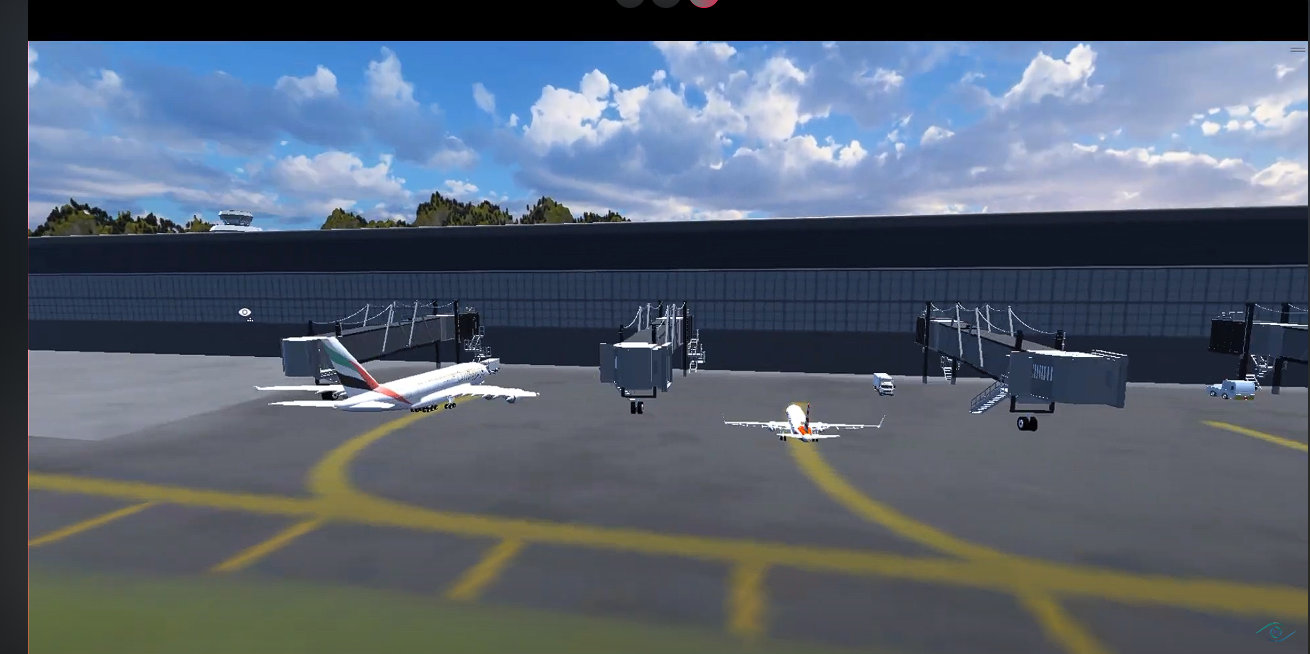
Built a locomotion system allowing users to move outside the aircraft when grounded to perform checks
-
Focused on intuitive, training-appropriate interactions rather than “game-like” behavior
Aircraft Physics System
-
Designed and implemented a modular aircraft physics model in C#
-
Built a designer-friendly wing configuration system using Gizmos
-
Allowed easy modification of wing geometry directly in the editor
-
Implemented configurable aerodynamic curves:
-
Lift coefficient (Cl) vs Angle of Attack
-
Drag coefficient (Cd) vs Angle of Attack
-
Since this was a training simulator (not an arcade game), I researched real aerodynamic principles and consulted aircraft engineers to ensure the behavior was grounded in realistic approximations.
Environment & Simulation Systems
-
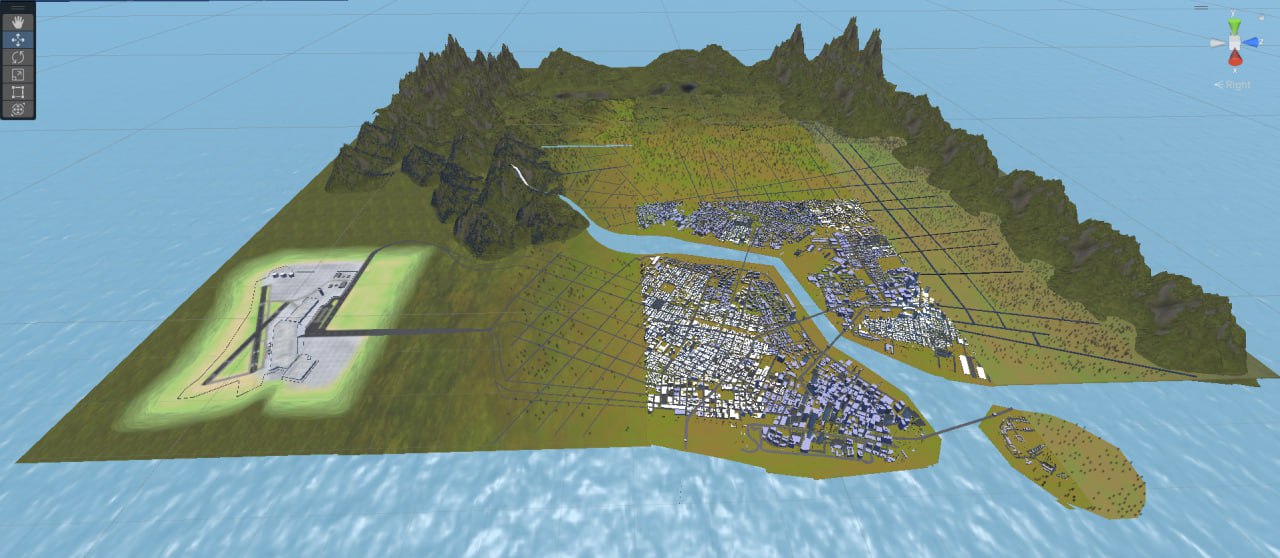
Implemented environmental simulation elements
-
Integrated aircraft state with environmental factors
-
Ensured stable simulation behavior under VR constraints
Aircraft UI & Training Workflow
-
Developed cockpit UI systems
-
Implemented checklist-based event listeners
-
Created interactive procedural flow for training tasks
The UI was designed to mirror real-world cockpit workflows to reinforce procedural learning.
What This Project Demonstrates
-
Ability to transition into VR development quickly
-
Strong systems design for simulation-focused applications
-
Research-driven implementation (consulted real engineers)
-
Designer-friendly tool creation within Unity
-
Clean integration of physics, UI, and VR interaction

Leave a comment
Log in with itch.io to leave a comment.